If you are thinking about starting a career in trucking, one of the first questions you may have is whether anyone will hire you without previous commercial driving experience. The answer is yes. Many professional truck drivers in the United States started with no tractor-trailer experience at all, and a large part of the industry is built around bringing new CDL holders into entry-level driving jobs.
That does not mean you can simply climb into a semi-truck with a regular driver's license and start hauling freight. In most cases, you will first need the appropriate Commercial Driver's License (CDL), the required entry-level training, and a company willing to train or hire recent graduates. The important distinction is that trucking companies may accept drivers with no professional experience, but they still expect those drivers to meet licensing, safety, medical, and hiring requirements.
For many beginners, the path is straightforward: earn a CDL, complete the required training, join a carrier that hires new drivers, spend time with a trainer, and then begin driving solo. The first few months can be challenging, but they are also when drivers build the practical skills that CDL school alone cannot provide.
Can You Really Get a Trucking Job With No Experience?
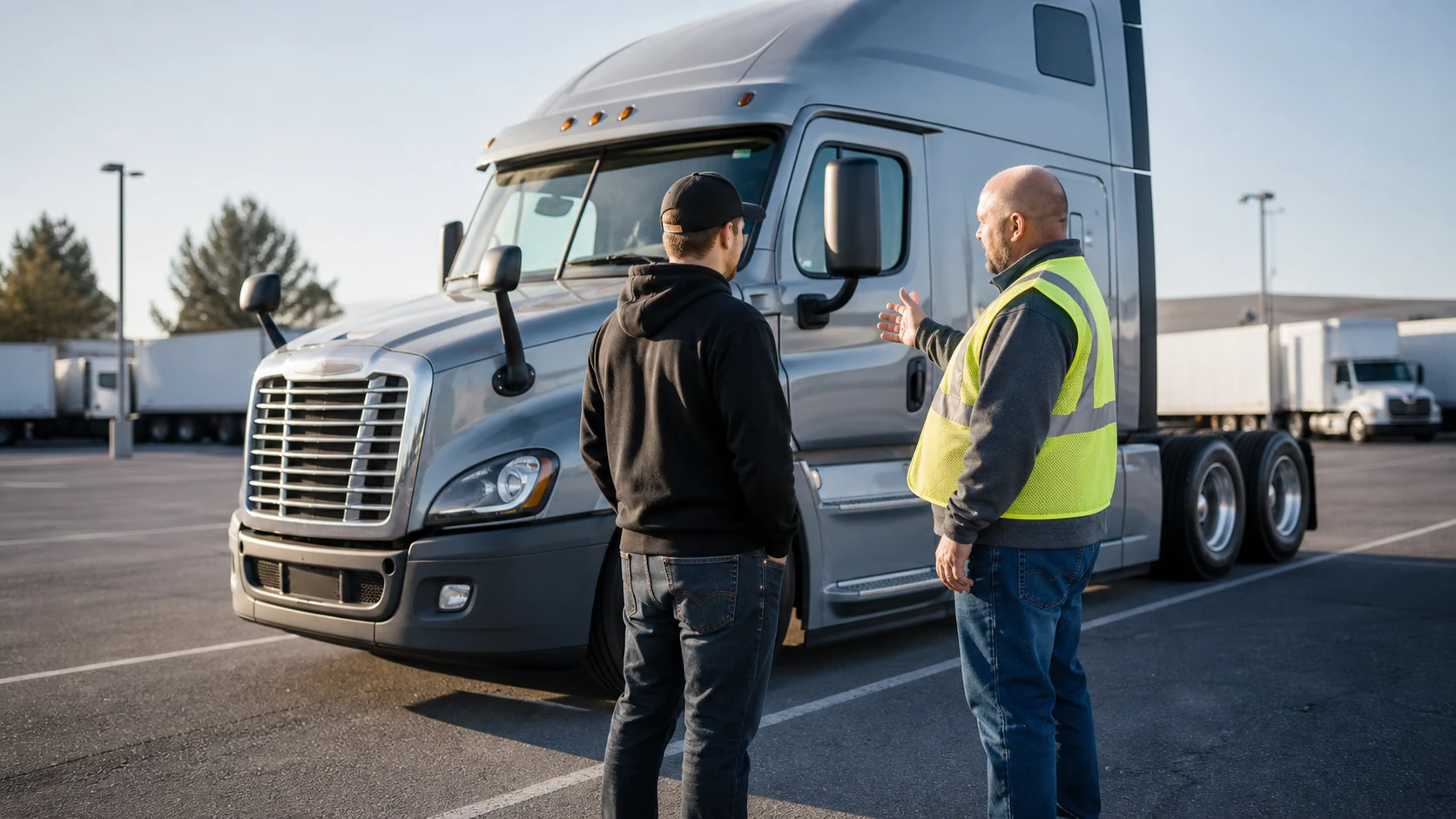
Yes. Entry-level hiring is common in trucking, especially among larger carriers that operate formal training programs. Job postings may use terms such as recent CDL graduate, entry-level CDL driver, student driver, CDL-A trainee, or no experience required. These positions are designed for drivers who have completed the licensing process but have not yet accumulated several months or years of verifiable tractor-trailer experience.
The main reason these jobs exist is simple: every experienced driver was once a beginner. Carriers need a steady supply of new drivers, and companies with large fleets often have the trainers, equipment, terminals, orientation programs, and safety departments needed to bring new drivers into the industry. Instead of expecting a new hire to know every part of the job, the company may provide additional instruction on real-world tasks such as trip planning, backing at customers, scaling loads, using an ELD, dealing with dispatch, and managing life on the road.
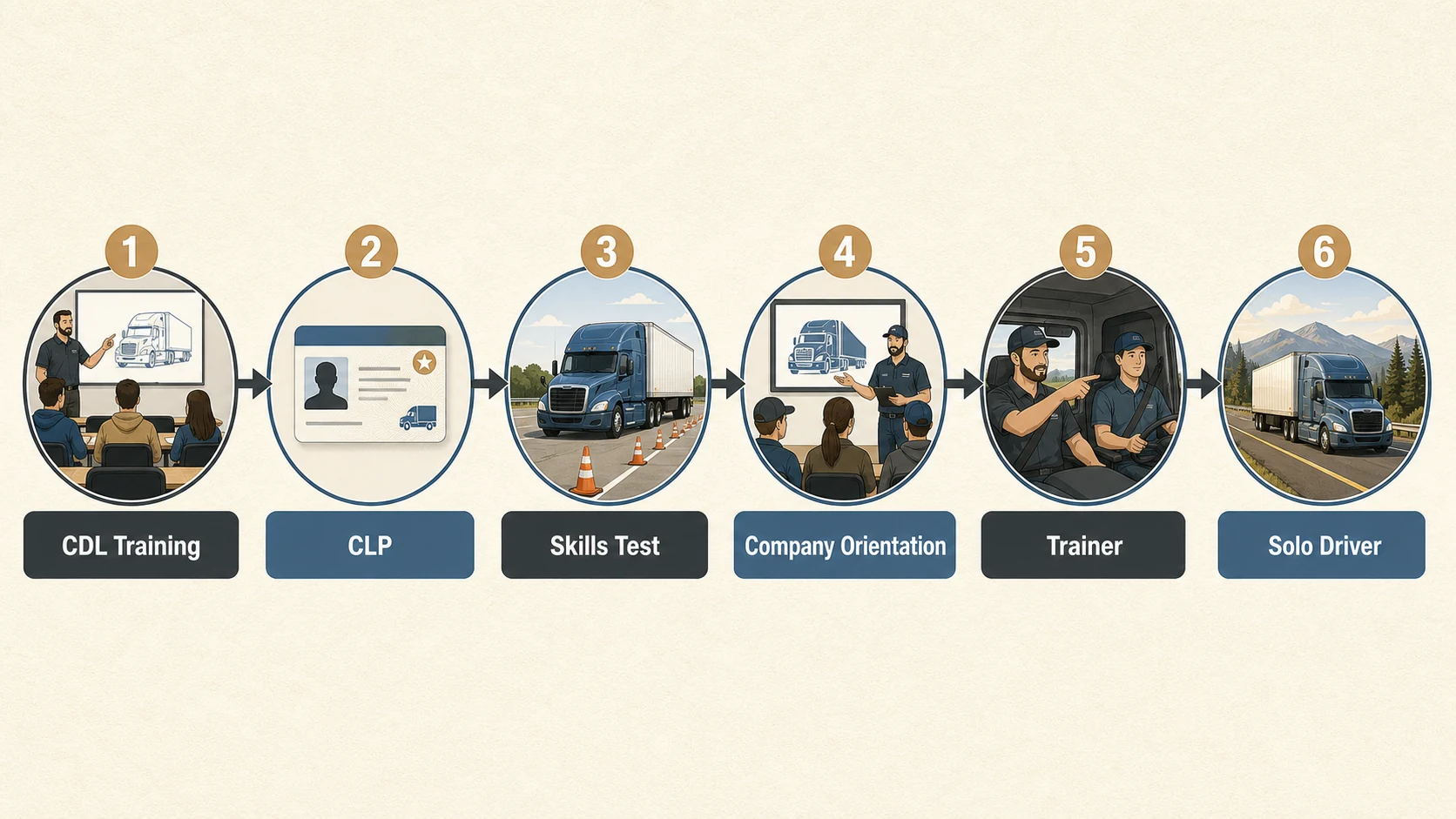
The usual path looks something like this: CDL training → CDL license → company orientation → trainer period → solo driving. Some companies use a fixed number of weeks for training, while others use mileage, road evaluations, or skill-based requirements. The details vary, but the basic idea is the same: a new driver is gradually introduced to professional operations before being trusted with a truck alone.
No Experience and No CDL Are Not the Same Thing
One of the biggest sources of confusion is the difference between having no experience and having no CDL. You can absolutely enter trucking with no previous commercial driving experience, but if you want to operate a typical tractor-trailer professionally, you will generally need the correct commercial license first.
For most people who want to drive semi-trucks, that means pursuing a Class A CDL. A Class A license is commonly used for tractor-trailer combinations and gives drivers access to many of the jobs people associate with long-haul trucking, regional freight, dry van, reefer, flatbed, and other Class A operations. A Class B CDL is more commonly associated with certain straight trucks, dump trucks, buses, and other heavy single vehicles.
If you do not yet have a CDL, your first step is therefore not applying for solo OTR jobs. Your first step is learning your state's CDL requirements, obtaining a Commercial Learner's Permit, completing required Entry-Level Driver Training when applicable, and passing the CDL skills test. Once you have the license, you can start targeting carriers that specifically accept recent graduates.
What Counts as Truck-Driving Experience?
When an employer says that a job requires six months, one year, or two years of experience, they normally mean verifiable professional experience operating the relevant class of commercial vehicle. Driving a pickup truck, cargo van, passenger car, or personal trailer does not usually count as Class A tractor-trailer experience.
CDL school is also different from professional experience. Training gives you the foundation you need to pass the test and begin learning safely, but an employer may still classify you as an inexperienced driver after graduation. That is normal. There is a major difference between practicing backing on a training range and backing into a crowded distribution center at night after a long day on the road.
For that reason, new drivers should look for jobs that clearly state that recent graduates are welcome. Applying only to positions that require a year or more of experience can be frustrating and inefficient. Entry-level carriers expect that you are still learning and usually evaluate you based on your CDL status, driving record, training background, safety habits, and ability to complete the company's own training process.
How to Become a Truck Driver With No Previous Experience
The process begins with choosing the type of commercial driving you want to do. If your goal is traditional tractor-trailer work, a Class A CDL will usually give you the widest range of options. Before taking the skills test, most new drivers first obtain a Commercial Learner's Permit (CLP) by passing the required knowledge tests. Federal rules generally require a CLP to be held for at least 14 days before taking the CDL skills test, although states can have additional requirements.
For first-time Class A and Class B applicants, federal Entry-Level Driver Training (ELDT) rules generally apply. Training must be completed through a provider listed in the FMCSA Training Provider Registry before the applicant takes the applicable CDL skills test. The training includes theory instruction as well as behind-the-wheel preparation and is intended to give beginners a structured foundation before they enter professional service.
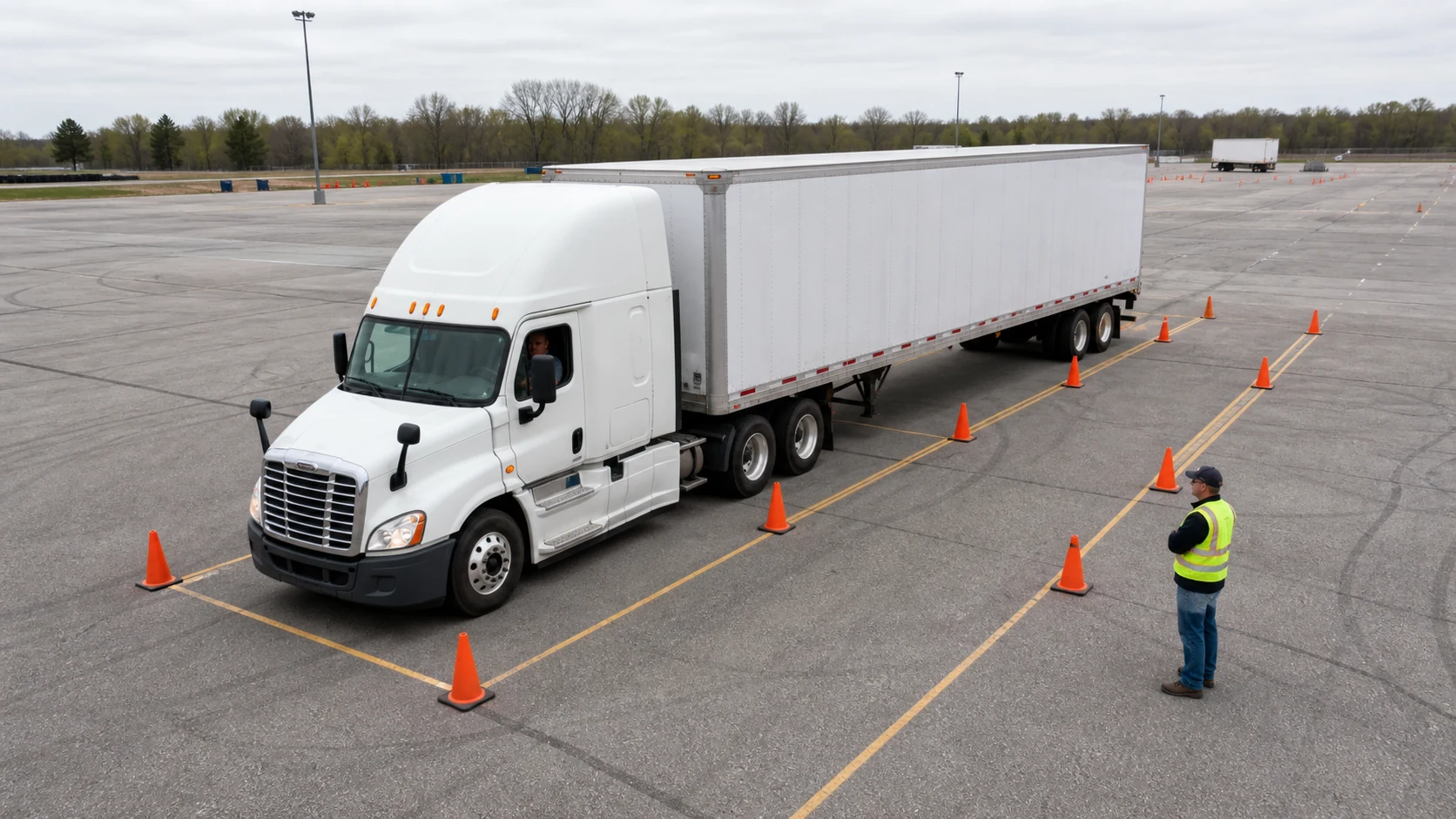
Behind-the-wheel practice is where the job begins to feel real. New drivers need time to become comfortable with wide turns, mirror use, following distance, lane positioning, braking, trailer tracking, backing, docking, vehicle inspections, and general control of a much larger vehicle. Backing is often the most difficult part at first because the trailer does not react like a passenger car. The connection between steering input, tractor angle, and trailer movement only becomes natural after repeated practice.
Once you pass the CDL skills test and receive your license, the next step is finding a carrier that hires entry-level drivers. Search specifically for positions that mention recent graduates, student drivers, trainees, or no-experience hiring. Read the requirements carefully, because companies may still have minimum age rules, medical requirements, driving-record standards, drug-testing requirements, insurance criteria, or school-graduation requirements even when they accept applicants with no previous tractor-trailer experience.
What Do Trucking Companies Check Before Hiring a New Driver?
A CDL is necessary for many jobs, but it does not guarantee that every carrier will hire you. Companies typically look at your overall risk profile and whether you meet their insurance and safety standards. Your motor vehicle record is especially important. Serious speeding violations, reckless driving, DUI/DWI history, suspensions, or recent major accidents can limit your options even if your CDL is valid.
Employers also verify that your CDL is appropriate for the equipment you will operate and review any restrictions on the license. Interstate drivers who are subject to FMCSA physical-qualification rules must meet the applicable medical requirements, and CDL drivers in covered safety-sensitive positions are also subject to federal drug and alcohol testing rules. For applicable drivers, employers use the FMCSA Drug and Alcohol Clearinghouse as part of the hiring process.
Many carriers review previous employment history as well. Your old jobs do not need to be related to trucking, but reliability matters. A stable work history can help show that you are dependable and likely to complete training. Some companies also conduct background checks or apply additional customer and insurance requirements. This is why two carriers may give different answers to the same applicant even when both advertise entry-level positions.
What Happens After an Entry-Level Trucking Company Hires You?
New CDL holders usually do not finish orientation on Monday and leave alone on a 2,000-mile run on Tuesday. Most entry-level programs include several stages designed to move the driver from classroom knowledge to real-world operations.
Orientation may cover company safety policies, Hours of Service, ELD use, fuel procedures, trip planning, cargo procedures, accident reporting, customer rules, and maintenance reporting. Drivers may also complete paperwork, tests, road evaluations, and equipment familiarization. After orientation, many companies pair the new driver with an experienced trainer for a period of on-road instruction.
This trainer period is often where the most useful learning happens. CDL school teaches you how to control the truck and pass the required tests. A company trainer can show you how to plan a realistic 500-mile day, enter a crowded truck stop, find legal parking, slide tandems, use a scale, check in at a warehouse, handle delays, communicate with dispatch, back into difficult docks, and deal with changing weather or traffic.
The length of this stage varies widely. Some programs last a few weeks, while others use a minimum number of miles or require a final evaluation before the driver can be released solo. The most important thing is not how quickly you finish. It is whether you are developing the judgment needed to handle the truck safely when no trainer is sitting beside you.
Your First Solo Truck: What Changes?
Being released to drive solo is a major step because the responsibility changes immediately. With a trainer, you have someone beside you who can answer questions, help judge a difficult backing situation, or point out a mistake before it becomes serious. Solo driving means those decisions are now yours.
You will need to manage your own pre-trip inspections, route planning, fuel stops, parking, customer appointments, backing, ELD clock, paperwork, and communication with dispatch. You will also be responsible for deciding when road or weather conditions are no longer safe, when a mechanical problem needs attention, and whether a parking or backing situation needs a reset or a GOAL — Get Out And Look.
The first few months are therefore an important learning period. Most new drivers become noticeably more comfortable as they accumulate real-world miles, but confidence should grow gradually. The goal is not to imitate a driver who has been doing the job for 20 years. The goal is to build safe habits that will still be useful 20 years later.
Is OTR Trucking a Good Starting Point for New Drivers?
OTR trucking is one of the most common entry points for people with a new Class A CDL. Large over-the-road carriers often have the infrastructure needed to train beginners, and OTR work exposes drivers to many different operating conditions in a relatively short period of time.
A new OTR driver may quickly gain experience with interstate highways, large distribution centers, truck stops, mountain routes, heavy traffic, winter weather, tight docks, different customers, and long-distance trip planning. That broad exposure can help build useful skills and make it easier to qualify for other jobs later.
The tradeoff is lifestyle. OTR drivers may be away from home for days or weeks at a time, and the schedule can be unpredictable. If frequent home time is a priority, regional or local trucking may be a better fit. Some local jobs hire recent graduates, but others prefer several months of experience because local driving can involve heavy traffic, tight streets, frequent stops, repeated backing, and more customer interaction. Regional work often sits between the two, offering longer routes than local driving but more frequent home time than traditional OTR.
What Type of Freight Is Best for a Beginner?
There is no single trailer type that is automatically best for every new driver, but dry van trucking is a common starting point because the operation is relatively straightforward. The trailer is enclosed, general freight is widely available, and new drivers can focus on the core skills of backing, docking, pre-trip inspections, trip planning, weight distribution, and Hours-of-Service management.
Reefer trucking can also be a good entry-level option, although drivers need to pay attention to trailer temperatures, reefer fuel, and customer requirements. Flatbed carriers may hire new drivers as well, but the job adds cargo securement, chains, straps, binders, and tarping. Tanker work can offer strong opportunities, but some employers prefer prior experience and certain operations require additional endorsements.
The best starting segment is the one that matches the kind of work you want to learn and the lifestyle you can realistically handle. A new driver who dislikes being away from home may not stay long in OTR no matter how good the training program is. Likewise, someone who enjoys long highway miles may find local multi-stop work frustrating.
How Much Can a New Truck Driver Make?
There is no universal starting salary for new CDL drivers. Pay varies by carrier, freight type, region, mileage, bonuses, training status, endorsements, and whether the driver works solo or as part of a team. Many OTR company drivers are paid by the mile, while local positions may use hourly pay, daily pay, salary, or a combination system.
The Bureau of Labor Statistics reported a median annual wage of $57,440 for heavy and tractor-trailer truck drivers in May 2024, but that number includes drivers with different experience levels and should not be treated as a guaranteed starting salary. A beginner may earn less while training and may also have fewer miles while learning company procedures.
When comparing jobs, do not focus only on the advertised cents-per-mile figure. A slightly higher mileage rate does not necessarily mean better weekly income if the carrier provides fewer miles or does not pay for long delays. Ask about average weekly miles, training pay, detention, layover, breakdown pay, extra-stop pay, bonuses, and home time. The structure of the job matters just as much as the headline rate.
How to Improve Your Chances of Getting Hired Without Experience
You cannot instantly create six months of experience, but you can make yourself a stronger entry-level candidate. The most important thing is to protect your driving record. Traffic violations that might seem minor in a personal car can matter much more when a carrier is deciding whether to insure and hire a new commercial driver.
Take CDL training seriously as well. Do not study only enough to pass the test. Learn why the inspection items matter, understand air brakes and combination vehicles, practice backing until you can recognize trailer movement early, and become comfortable with the basics of Hours of Service. Companies know you are new, but they still expect you to arrive with a solid foundation.
Additional endorsements may also help, depending on the jobs you want. Tanker, Hazmat, and Double/Triple Trailer endorsements can expand your options, but there is no reason to collect endorsements that do not match your career plan. More important than the number of letters on your CDL is whether you can operate safely and complete the company's training successfully.
It also helps to be realistic about your first job. Your first carrier may not offer the newest truck, the highest pay, the perfect route, or the ideal home-time schedule. In some cases, the main value of the first job is the opportunity to build safe, verifiable experience. After several months of solid driving and a clean record, the number of available positions usually begins to expand.
What Should You Ask Before Accepting Your First Trucking Job?
Entry-level drivers should pay close attention to the details of the offer instead of accepting the first position they see. Ask how long orientation lasts, whether training is paid, how long you will be with a trainer, what must happen before you are released solo, and what the actual starting pay looks like after training.
Home time is another important question. A recruiter may say a position offers "regular home time," but you should understand what that means in practice. Ask how many days drivers normally stay out, how many days they receive at home, and whether freight lanes make it difficult to get home on schedule. You should also ask about detention, breakdown pay, live loads versus drop-and-hook, equipment age, driver-facing cameras, and whether new drivers receive assigned trucks.
If the company provides CDL training or tuition assistance, read the agreement carefully. Some programs require you to remain with the carrier for a set period. Leaving early may trigger repayment obligations for training, housing, transportation, or other costs. Do not rely only on what a recruiter says verbally. Read the actual contract and understand what happens if you resign, fail training, or are terminated.
Common Mistakes New CDL Drivers Should Avoid
One of the biggest mistakes new drivers make is trying to drive like someone with years of experience. There is no benefit to rushing a backing maneuver, taking a turn too quickly, or forcing a difficult parking situation simply because another driver is waiting. If you are unsure about clearance, stop and use GOAL — Get Out And Look. Taking two extra minutes is far better than damaging a truck or trailer.
Another common mistake is relying blindly on GPS. A passenger-car navigation system can route a tractor-trailer toward low bridges, restricted roads, residential streets, or locations where there is no safe way to turn around. New drivers should learn proper truck trip planning and verify the final miles to a customer before arriving.
Ignoring small mechanical problems is also risky. A minor leak, unusual noise, damaged tire, or warning light can become a major breakdown later in the day. Report problems early. Good professional drivers are not the ones who "push through" every issue; they are the ones who recognize problems before those problems become expensive or dangerous.
Finally, learn to manage time rather than letting the clock manage you. Know where you will fuel, where you can park, what time the customer expects you, and how much legal driving time you have left. Trip planning becomes much easier with experience, but the habit should start on day one.
How Long Does It Take to Stop Feeling Like a New Driver?
There is no fixed answer. Some drivers become comfortable quickly, while others need more time. During the first few weeks, almost every task can feel unfamiliar: entering a truck stop, backing into a dock, checking into a warehouse, sliding tandems, finding parking, or deciding when to stop because of weather.
After a few months, many basic tasks begin to feel more natural. You start recognizing how the trailer moves, how much room you need for turns, which truck stops are difficult late at night, and how long certain types of deliveries usually take. With more real-world experience, you also begin spotting problems earlier — bad weather ahead, a difficult dock setup, an unrealistic route, or a mechanical warning sign.
That does not mean experienced drivers stop learning. Trucking constantly presents new equipment, customers, roads, weather conditions, and freight. The goal is not to reach a point where nothing surprises you. The goal is to build enough experience that you respond to surprises calmly and safely.
Can You Become an Owner-Operator With No Experience?
Technically, a person may be able to purchase or lease a truck without first spending years as a company driver. That does not necessarily make it a smart way to begin. An owner-operator is not only learning to drive professionally but also taking responsibility for truck payments, insurance, maintenance, fuel, permits, taxes, freight rates, downtime, and business accounting.
Trying to learn all of those things at the same time can be expensive. A company driver with a mechanical problem can usually contact maintenance or roadside assistance. An owner-operator has to think about the repair bill, lost revenue, towing costs, and whether the truck payment is still due while the equipment is sitting in a shop.
For many beginners, spending time as a company driver first is a practical way to learn how freight operations, dispatch, customers, maintenance, trip planning, and truck expenses work before taking on the financial risk of owning a truck.
Frequently Asked Questions
Can I Get Hired With a CDL but No Experience?
Yes. Many carriers have positions specifically for recent CDL graduates and entry-level drivers. Focus on employers that clearly advertise no-experience or trainee programs.
Do Trucking Companies Train New Drivers?
Many do. Training can include orientation, road evaluations, classroom instruction, equipment familiarization, and a period of supervised driving with an experienced trainer.
Is OTR the Easiest Way to Build Experience?
OTR is one of the most common entry points because several large carriers operate structured training programs. However, regional and local entry-level positions also exist, so the best choice depends on your location and lifestyle.
How Much Experience Do Better Trucking Jobs Usually Require?
There is no universal standard. Some employers accept new graduates, while others ask for 3, 6, 12, or more months of verifiable tractor-trailer experience. As your safe driving record grows, more opportunities generally become available.
Final Thoughts
Yes, you can become a truck driver without previous truck-driving experience. The trucking industry regularly hires beginners, especially through carriers that operate structured entry-level training programs.
The normal path is to obtain the appropriate CDL, complete required training, pass the skills test, and find an employer that accepts recent graduates. From there, you may go through orientation, road evaluations, and several weeks with a trainer before being released to drive independently.
Your first months behind the wheel will involve much more than simply driving down the interstate. You will learn backing, trip planning, Hours of Service, parking, inspections, customer procedures, weight distribution, ELD management, weather decisions, and the everyday realities of life on the road.
You do not need to know everything on your first day. What matters is developing safe habits, protecting your driving record, listening to experienced drivers, and treating every trip as an opportunity to improve. Once you have built a solid record of safe, verifiable experience, many more trucking opportunities can begin to open up.